







Tealerland
Tealerland is a nonprofit FNAF-inspired fan game built around task juggling, room-to-room movement, and health management. Instead of keeping you in one office while cameras and doors dominate every decision, the game asks you to move through connected spaces and handle several problems at once. A task may look simple when you begin it, but a threat, a low health bar, or a poor route can quickly change the situation. That pressure gives each attempt a practical rhythm: check what needs doing, move with a purpose, and keep enough health to respond when the plan breaks.
Tealerland moves beyond the camera-and-door loop. It keeps the unease of FNAF-inspired horror, while making room position, unfinished tasks, and defensive choices central to play. What you do to protect yourself can shape your next move, so players looking for more variety may find it more engaging than simply watching screens and waiting for an attack. Some parts feel rough, but its focus on direct systems gives the game a distinct identity.
Gameplay Objective
Gameplay Objective centers on completing the required tasks while managing health and dealing with threats across multiple rooms. Every objective takes time or movement, and both resources become harder to protect when danger appears. You must decide whether to continue toward a nearby task, retreat to a safer area, or spend time handling the threat first. A route that looks efficient on paper may leave you exposed, so survival depends on reading the situation rather than following one fixed order.
Gameplay Objective rewards route planning and careful timing. Try to learn which rooms connect efficiently, where danger tends to interrupt your progress, and how much health you can safely spend before looking for recovery. Pushing forward can save time, but a defensive choice often protects the run from a sudden failure. This is a game where completing one more task feels useful only when you still have enough control to finish the next one.
Controls
Controls let you move between rooms, interact with tasks, and use defensive options. Each input serves the game’s central loop. Movement can bring you closer to an objective, expose you to a threat, or improve your position for the next decision. Familiar controls reduce wasted movement when several concerns demand attention.
Controls become easier to manage after practice. At first, players may spend too much time checking their position or choosing an action, especially when a threat interrupts a task. Repeated attempts help you recognize useful paths and build a steady response to common situations. Must-have inputs are few, but good timing still matters. A familiar route can save health simply because it lets you reach the right room without hesitation.
FNAF Characters
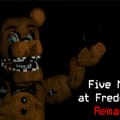
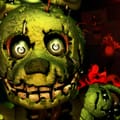
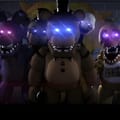
FNAF Characters fit the Tealerland setting and interact with its task-and-health systems in specific ways. Their presence affects how safely you can move, how long you can remain in one room, and whether a task should wait. Learning their behavior gives you more useful information than reacting only when an attack begins. Watch for patterns, remember where problems tend to occur, and treat each encounter as part of the larger route rather than as an isolated scare.
FNAF Characters feel connected to the wider mechanical design instead of functioning as simple obstacles placed in your path. Their pressure changes your priorities and forces you to reconsider an otherwise sensible plan. That connection helps the game maintain tension without relying on constant surprise. Some encounters may still feel uncertain while you learn them, which suits the game’s trial-and-error structure. Progress comes from understanding what each character allows, interrupts, or punishes.
Sound And Visuals
Sound Effects provide feedback for tasks, movement, and nearby threats. Audio can tell you that something has changed before the screen gives you enough time to inspect every detail. Clear sound matters when you are tracking an objective in one room and watching for danger from another direction. Playing with the volume too low may remove useful information, while careful listening can help you react without stopping to check everything.
Visuals give Tealerland a recognizable identity and keep the important information readable during play. Rooms, task points, threats, and defensive choices need to remain distinct when the action becomes crowded. The presentation does not need to overwhelm the player to create tension; a readable scene can make a dangerous decision feel sharper. I prefer that approach here, because the game’s pressure comes from managing information rather than sorting through needless visual noise.
Strategy Tips
Strategy Tips begin with efficient task routing and careful health management. Before committing to an objective, consider what the next room requires and where you can go if danger appears. Try to group nearby tasks when the route remains safe, but do not force a long chain after your health starts falling. Abandoning a task for a short time can protect the entire attempt. Finishing one action means little if it leaves you unable to respond to the next threat.
Strategy Tips also include learning safe rooms, recovery options, and reliable escape routes when those systems are available. A recovery location can give you room to reset your plan, but reaching it may cost time or expose you to another risk. Keep track of how much health each decision consumes, then adjust the route on later attempts. This is where Tealerland rewards patience. You will make mistakes, and some routes will fail, but each failed run can reveal a safer order for the next one.
Final Thoughts
Tealerland offers a distinctive take on the FNAF-inspired fan game format through task management, movement between rooms, health control, and threat awareness. The design asks for more active planning than a standard camera-and-door setup, and that change gives each objective a stronger connection to your position and resources. It may not suit players who want a simple waiting game, but it has a clear appeal for anyone who enjoys systems-driven horror with room for experimentation.
Tealerland has gained community recognition and remains worth seeking out on Game Jolt for players interested in unusual fan-made horror projects. Expect to learn through repetition, adjust routes, and balance progress against survival. The game’s strongest moments come when a normal task suddenly becomes a choice between risk and retreat. That tension gives Tealerland a memorable place among FNAF-inspired fan games.