




Jolly
Jolly is a multi-game series created by IvanG, known for its toy-like animatronic designs, underground facilities, and connection to the wider FNAF fan game scene. Players often compare Jolly to Sister Location because both use enclosed industrial environments, unusual mechanical characters, and story details revealed through repeated night shifts. The comparison helps set expectations, though Jolly has its own cast, pacing, and mechanical ideas. Each entry keeps the same general identity while adding new locations, threats, and systems. The series does not feel like a collection of unrelated projects. Its visual language stays recognizable from one game to the next, even when the setting or challenge changes. Players who enjoy Sister Location-style environments, controlled tension, and progressive series storytelling could find Jolly a good fit. The games reward attention, especially when a small detail in one entry becomes useful context for a later chapter.
Gameplay Objective
Gameplay objectives vary between entries, but the usual task is to survive a set number of nights inside a facility while managing several dangers. A shift might require you to watch cameras, inspect rooms, track movement, monitor a system, or use a tool at the right moment. Each game has its own routine, so relying on one solution can leave you unprepared.
Most objectives combine observation with timing. Use screens and sounds to gather information, decide which threat needs attention, and act before the situation worsens. Some sections will feel familiar to fans of classic FNAF games, while others disrupt those habits with small changes. Learn what each system controls before reacting. A wrong input can waste time, create a blind spot, or leave another part of the facility unchecked. The goal is easy to explain, but reaching morning safely can be difficult.
Controls
Controls follow point-and-click conventions. The mouse is usually how players inspect rooms, operate devices, and move through the interface, though each game adds its own systems. The layout may look familiar while the actual steps differ.
Speed matters because many actions have to be completed within a short window. You may need to change views, select an item, close a panel, or return to a monitoring screen before an animatronic moves again. The controls are generally easy to learn, but knowing where each button is can save seconds on later nights. Explore every menu and interaction point early, while there is little pressure. You do not need to memorize every action. Learn which tools need frequent attention and which appear only during specific events. A consistent routine leaves more time to follow audio cues and watch enemy behavior.
FNAF Characters
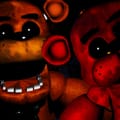
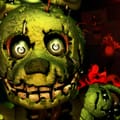
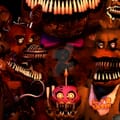
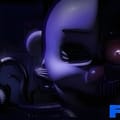
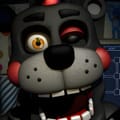
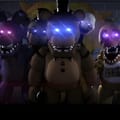
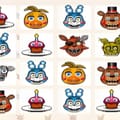
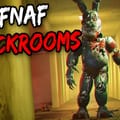
FNAF Characters in Jolly include the series’ bee-themed cast and other toy-style animatronics, each built around a distinct visual silhouette. Their designs have the bright, artificial look of toys, while the facility setting places those colors in a colder, less comfortable environment. The characters’ positions, sounds, and movement patterns shape how each night plays. One animatronic may pressure the player through the cameras, while another can draw attention to a separate system or room. The bee motif gives the cast a shared identity, but each character remains a separate threat. A familiar-looking figure may follow completely different rules from another one. That tension comes from the gap between their related designs and their behavior, which can demand different responses. During a difficult shift, small changes in animation, sound, or location may carry practical meaning.
Sound And Visuals
Sound Effects and visuals create a consistent series identity that fans of earlier games will recognize. Underground facilities rely on machinery, narrow spaces, monitors, and controlled lighting to limit what the player can see. Sound Effects can reveal movement or an approaching threat, but players should not treat every noise as a definite warning. Some sounds signal an interaction, a system change, or a nearby event instead of an immediate attack.
The visual style pairs colorful, toy-like animatronics with functional, enclosed rooms. This contrast gives Jolly a distinct mood without filling every moment with visual chaos. Pay attention to screens, doors, panels, and room layouts; useful information may be sitting in plain view. A quiet corridor, a flickering monitor, or an animatronic appearing in a different position can create enough tension on its own.
Strategy Tips
Play the series in order. The narrative and mechanics are easier to follow that way, while starting with a later entry may expose systems before the game explains them and reduce the impact of returning characters or locations.
Keep notes on animatronic behavior, especially when a threat changes position after a particular sound or action. Look for patterns instead of checking every screen at random. Scan the important views, deal with the system that needs attention, then return to the area most likely to change. Avoid staring at one camera for too long. Jolly often makes you track several sources of information at once, so tunnel vision can create a problem elsewhere.
When a night ends in failure, identify what caused it before repeating the sequence. The problem may be delayed timing, a missed sound, or a tool used in the wrong order. That answer gives you a clearer plan for the next attempt.
Jolly is a multi-entry series with a clear visual and mechanical identity, shaped by toy-like animatronics, underground facility settings, and point-and-click survival systems. Its connection to Sister Location will appeal to players who enjoy enclosed environments and stories that unfold across several games, while the bee-themed cast gives the series its own character. Jolly does not make every entry identical. The tools, threats, and night routines can shift, which keeps the experience from becoming a single repeated formula. At the same time, the shared style makes the games feel connected. Play the entries in order, pay attention to the controls, and treat sound cues as useful information rather than background noise. The series can be found through Game Jolt and other fan-game communities, where its different chapters are usually discussed together.