



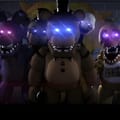






















Freddy Fazbear
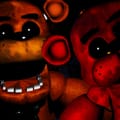
Freddy is slow at first but becomes more active on later nights. He moves carefully, and once he reaches the office, the night ends. His increasing aggression means you need to keep track of him throughout the night.
Let's play FNAF Free, the iconic horror survival game of all time. Explore tense shifts and face roaming animatronics of Five Nights at Freddy's fear — now, with no barriers.
Your shift begins at midnight. The security cameras flicker, and something moves inside Freddy Fazbear's Pizza.
In Five Nights at Freddy's, you play a night security guard who must survive until 6 AM while the animatronics leave their stages and search the restaurant. Power is limited, so using the cameras, doors, and lights affects how long you can stay safe. A single mistake can trigger a jumpscare. The clock starts at midnight, and the tension builds with every hour as the power meter continues to fall.
This site lets you play the original game and several sequels and remakes in your browser. Open the page to start your shift without downloading or installing anything. You can play through the series for the first time or return to Custom Night, with the same limited resources and unpredictable animatronics waiting in the office.
Five Nights at Freddy's began with a deceptively simple idea: survive five nights in a haunted pizzeria as your power runs down and mechanical killers move closer. That premise grew into a cultural phenomenon. The jumpscares are hard to predict, and the atmosphere still feels suffocating. Years later, fans continue to argue over the lore. Night 1 seems manageable, but by Nights 4 and 5, the pressure is intense. The series remains popular because its rising difficulty works with its atmosphere and resource tension. Players come back because the core loop is fair, even when it is punishing. Each failure teaches you something specific about timing, priorities, or wasted power. The game never feels cheap; it asks for better decisions as the pressure builds. That mix of tension, clarity, and replay value is rare, which is why the series still attracts new players and veterans more than a decade later.
Every camera check, light, and door uses the same meter. If it reaches zero before 6 AM, the night ends. Power only goes down, so every watt matters. Successful players keep asking whether the information or protection is worth the cost.
Animatronics come from different directions, so watching one hallway can leave another unchecked. You have to decide what matters most in each moment. The game keeps shifting your attention and strategy as the night goes on.
Cameras, lights, and doors can all help, but using them comes at a cost. Successful players weigh that cost against the danger instead of pressing every button. The best runs rely on precise, economical choices rather than panic.
The browser versions here let you start a shift without any setup. Click, and the security office loads. There is no installation or account to deal with; the classic tension begins as soon as the page finishes loading.
You play as a night security guard at Freddy Fazbear's Pizza. During the day, the restaurant looks friendly; at night, it turns sinister. Your only tools are the security cameras, hallway lights, and two heavy steel doors. Power only decreases, so every action requires a choice. Each night runs from midnight to 6 AM in-game time, with the animatronics becoming faster, more aggressive, and less predictable as the hours pass. You need to learn their individual patterns while keeping the power running. Most failures come from a specific mistake: watching the cameras too long, keeping a door closed when no threat is present, or ignoring Foxy for one extra second.
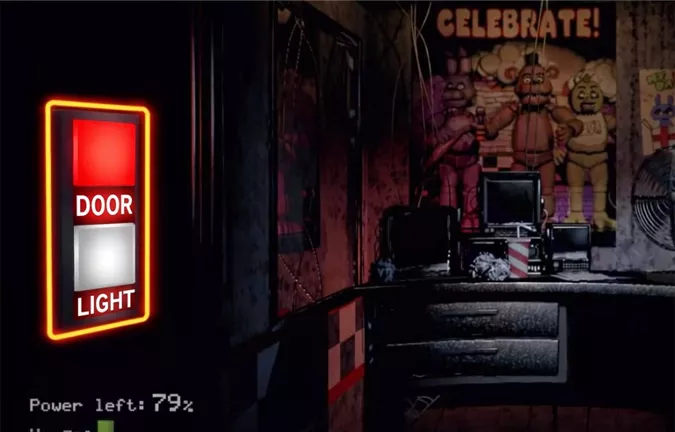
Checking cameras, closing doors, and using hallway lights all drain power. If the meter reaches zero before 6 AM, the night is over. It never recovers, so glance at the cameras instead of watching them continuously, and open a door as soon as the threat leaves. Holding it closed “just in case” can empty the reserve before morning.
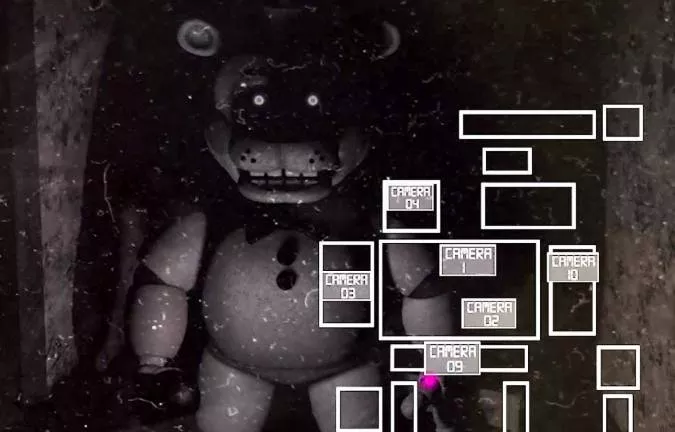
Cameras show you where the animatronics are. Watch Pirate Cove carefully, track Bonnie and Chica, and monitor Freddy's path. Check often, but only long enough to confirm their positions before returning your attention to the office doors.
Doors provide immediate protection, but they use a lot of power. Close one when a threat is present and open it as soon as the threat leaves. Keeping it shut without a clear reason is one of the quickest ways to drain the night's power reserve.
A quick flash shows whether something is standing outside the office. Lights use less power than doors, so use them to confirm a threat before deciding whether to close the door.
Later games add Springtrap, the Puppet, Mangle, Ennard, Vanny, and many others, but the original four teach the basics of survival. Each one demands different timing and priorities. You need to know when to check Pirate Cove, hold the left door, or risk a quick look at the cameras. Those habits remain useful in the later games, where the movement patterns and abilities become more complicated.
Freddy is slow at first but becomes more active on later nights. He moves carefully, and once he reaches the office, the night ends. His increasing aggression means you need to keep track of him throughout the night.
Bonnie attacks from the left and reaches the door often, forcing quick reactions. He is usually the first threat that makes new players react under pressure while saving power by avoiding unnecessary door holds.
Chica uses the right hallway and often waits near the office. Check the right door carefully before closing it. She may pause just outside, so a quick light check can prevent you from wasting power on a full door close.
Foxy stays in Pirate Cove. Leave him unchecked for too long and he will sprint down the hall. Check Pirate Cove regularly and be ready to close the left door when the curtains open. Foxy gives you little time to react.
Once you can clear the standard five nights, Custom Night and harder modes offer a real challenge. Treat every failure as information about where your timing broke. The game is designed so that most deaths reveal something useful rather than happening at random. Review what went wrong — power waste, delayed Foxy checks, or over-commitment to one side — and you will improve quickly. The difference between Night 1 and Night 5 comes from making cleaner, more economical decisions under pressure.
Later entries change the setting, the threats, and the tools available to the player while keeping the original pressure of limited resources and approaching danger. Fan games and remakes continue to add to the series and its community. New office layouts, larger casts, different viewpoints, and new defensive mechanics extend the original formula without removing its central tension.
Sister Location, Pizzeria Simulator, Ultimate Custom Night, Help Wanted, Security Breach, and other entries expand the setting while keeping the series focused on survival under pressure.
Many people want the classic experience without installing large files or creating an account. Here, you can launch the original game or one of several sequels and remakes in seconds. Open the page and start your shift. You get the same power management, camera system, and jumpscare tension, without the setup. Whether you have five minutes or a whole evening, the office is ready when you click.
If you're trying Night 1 for the first time, you can start playing right away. Veterans can use the browser version to practice Custom Night strategies without waiting for downloads or updates. It works for a quick session between classes or a longer challenge, while keeping the full atmosphere and difficulty intact on almost any modern device.