





Five Nights at Treasure Island
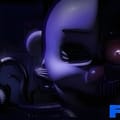
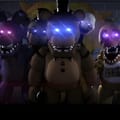
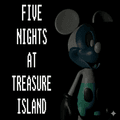
Five Nights at Treasure Island was one of the earliest FNAF fan games to attract broad discussion. It features photo-negative, Disney-inspired characters roaming an abandoned island. The setting feels empty, weathered, and exposed, while the familiar cartoon figures appear damaged and hostile. That contrast gives the game a tone distinct from the original Five Nights at Freddy’s.
Five Nights at Treasure Island has several versions, updates, and remasters, so the experience varies by release. The series eventually concluded with Oblitus Casa, another entry in the project’s long history. Some versions feel rough by current standards, but that reflects the period when ambitious fan games were testing the limits of the FNAF format. The game still offers a useful look at that early community scene, even though newer releases are more polished.
Gameplay Objective
Gameplay Objective centers on surviving a series of nights on the island while monitoring cameras and managing a few defensive tools. You follow the toon characters as they move between areas, then act before they reach the office or attack. Each night tests your attention, timing, and memory. The cameras provide information, but checking them too often can waste time or leave you vulnerable to other threats.
The objective changes slightly between versions because the developers have adjusted character behavior, defenses, and the structure of each night. A routine that works in one release may fail in another. Learn what each camera shows, which movements require an immediate response, and when to stop watching the monitor. There is little room for careless play on the island. A short delay can turn a quiet shift into a sudden loss, especially when several characters move close together.
Controls
The controls follow the point-and-click style common in early FNAF fan games. You switch between camera feeds, inspect rooms, and use the tools available in your version. The interface is simple, but you still need to make quick decisions while watching several locations. Accurate mouse movements help, though knowing where to look matters more than clicking fast.
Controls vary between releases. Some versions rely more on cameras, while others give you extra ways to check doors, vents, sounds, or unusual events. Read the instructions before starting a new build, since habits from an older version can lead to mistakes. Keep your hand relaxed and check the camera network in the same order each time. Random clicking often leaves gaps in your information.
FNAF Characters
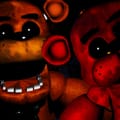
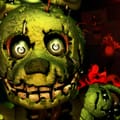
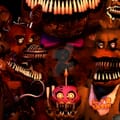
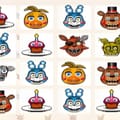
FNAF Characters in Five Nights at Treasure Island use photo-negative designs and distorted Disney-style forms instead of the ordinary animatronic look from the official series. Their pale colors, damaged faces, and unnatural poses make them recognizable with little animation. They resemble corrupted cartoon figures, giving the game a distinct visual identity within the fan scene.
FNAF characters behave differently, and their behavior matters more than their appearance. One relies on camera movement, another reacts to sound, and a third can appear where you do not expect. Learn each pattern before attempting a full night. Their designs are memorable, but surviving depends on remembering what each one does under pressure.
Sound and visuals
Sound effects carry much of the tension in Five Nights at Treasure Island. Footsteps, movement, static, and sudden changes in the audio can reveal that a character has moved before the cameras do. The sound design is rough in places, especially in older versions, which makes the island feel less predictable. Keep the volume high enough to hear quiet signals.
Sound effects support the visuals rather than replace them. Dark rooms, washed-out colors, empty hallways, and damaged cartoon faces make the setting feel abandoned without constant action. Later versions improved the presentation and atmosphere, but the original mood still depends on restraint. A camera feed may remain almost unchanged for a long time, then one small difference makes the scene uncomfortable.
Strategy Tips
Strategy tips depend on the version, so start by checking the mechanics of the specific release. Learn the camera layout, then identify the movement and audio cues linked to each toon character. A short practice session can save several failed nights by showing you which signals matter and which details are harmless. Add the key locations to your routine instead of searching for them in a panic.
The game is easier to manage when you track information instead of staring at one screen. Check the areas that matter, return to the office, and use defensive tools only when needed. Some versions reward frequent camera checks; others punish predictable patterns. If a character’s route is unclear, keep notes. I find each death more useful when it leaves me with one specific rule to remember instead of a vague reason to play faster.
Five Nights at Treasure Island shows how early FNAF fan games turned limited tools and familiar horror mechanics into larger ideas. Its photo-negative characters, isolated island setting, camera system, and unsettling sound design give it a distinct place in the community. The releases vary in polish, and their differences can be confusing, but that variation is part of the project’s history.
Five Nights at Treasure Island has several versions on Game Jolt. The Radiance Team’s work offers the most complete modern way into the series. Start with a release whose mechanics you can verify, then look at older builds to see how the concept changed. Some parts feel dated, but the atmosphere and unusual character designs still stand out. It is a useful starting point for tracing the development of FNAF fan games.