


One Night at Flumpty's 2
One Night at Flumpty's 2 takes the first game’s compact survival format and adds more characters, more defensive tools, and several rules that change how each night unfolds. The humor remains strange and deliberately rough around the edges, but the pressure comes from careful timing. You watch the rooms, check the available systems, and decide which threat deserves attention before the next one appears. The sequel also connects the opening game with the broader structure of the trilogy. Its mechanics feel more demanding without abandoning the quick, readable style that made the original easy to understand.
One Night at Flumpty's 2 works as a middle chapter, though it does not depend entirely on the other entries. Returning players will notice familiar ideas reshaped into tougher problems, while new players can still learn the rules through direct play. The game does not explain every detail at length, so mistakes become part of the process. I like that balance: the presentation stays playful, but the nights ask for concentration. Play the trilogy in order for the clearest progression, yet this entry can stand on its own when you want a short horror game with unusual characters and sharp survival decisions.
Gameplay Objective
Gameplay objective
Survive each night while managing more threats than in the first game. Each system demands your attention: one character may require a quick response, while another rewards patience or a specific check. The expanded tools give you more ways to stay alive, but they also create more opportunities to waste time. Learn what each warning means and respond before a small mistake becomes fatal. The game rewards a steady routine, though you cannot follow it carelessly. Later nights reveal whether you understand the systems or have only memorized a comfortable pattern.
Controls
Controls use the familiar point-and-click format, so movement and interaction remain easy to grasp. You select rooms, inspect objects, activate defenses, and switch between systems with the mouse. The added mechanics give these simple inputs more weight. A single click can protect you, reveal a problem, or leave another area unattended for too long. The interface does not require complicated combinations, but the speed of your choices matters. Try to move with purpose instead of checking everything at random. New players should spend an early attempt learning the layout and tool locations before chasing a perfect night. Once the controls feel natural, the tension comes from judgment rather than confusion.
FNAF Characters
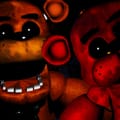
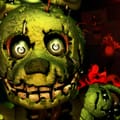
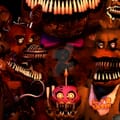
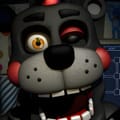
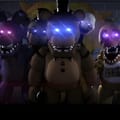
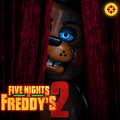
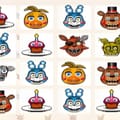
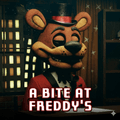
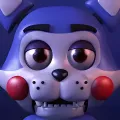
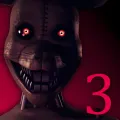
FNAF Characters expand the cast and give the sequel much of its odd personality. The designs keep the series’ mix of cartoon humor and unsettling movement, which makes each appearance easy to remember. Familiar figures share the screen with newer threats, and their different behaviors stop the nights from feeling like one repeated reaction test. Some characters demand immediate attention, while others create trouble through timing and distraction. The cast is not presented with a heavy story lecture; you learn most of it by watching patterns and surviving encounters. That choice fits the game’s strange tone. The characters can look silly at first, then turn a quiet room into the most dangerous place on the screen.
Sound And Visuals
Sound Effects and visuals preserve the established style while presenting the action with clearer cues. The screens remain readable, and the visual changes between rooms help you track where danger may be developing. Small sounds matter as much as obvious movement, especially when you are managing several systems at once. A noise can signal an approaching threat, a failed defense, or a change that deserves a quick check. The presentation does not need realistic graphics to create pressure. Bright colors and exaggerated faces sit beside abrupt sounds and uncomfortable pauses, producing a tone that feels deliberately uneven. This is part of the appeal, though players who prefer subtle horror may find the style too loud at times.
Strategy Tips
Strategy Tips begin with learning the new tools before attempting harder modes. Start by identifying which threats require an immediate response and which ones allow a few seconds of delay. Keep your checks consistent, but leave room for sudden events. A fixed route helps you avoid forgetting a room, yet repeating it too slowly can create another problem. Must-watch areas deserve attention before optional checks, especially when several warnings appear together. Use early nights to test the timing of each defense rather than treating every failure as wasted progress. The game rewards systematic play, but strict memorization has limits. If a familiar pattern breaks, adjust quickly and focus on the most direct threat.
Final Thoughts
One Night at Flumpty's 2 makes a strong middle chapter for the trilogy by widening the cast and adding systems without losing the quick point-and-click structure. It carries the humor of the original, then places that humor beside tighter timing and more demanding nights. The result can feel slightly uneven, especially when several mechanics compete for attention, but that friction gives the sequel its own identity. Play it after the first entry to notice how the systems grow, then continue to the third game for the larger payoff. As a standalone title, it offers a compact survival challenge with memorable FNAF Characters, clear controls, and enough variety to reward repeated attempts.