














Five Nights at Candy's 2
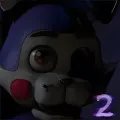
Five Nights at Candy's 2 moves the series to a new location, adds more characters, and reveals more of its story during each night shift. Its setting changes the pace without losing the uneasy mood of the first game. The core ideas remain, but the new environment demands closer attention and quicker decisions. As the middle game between the original and the more experimental third entry, it pushes the formula forward while retaining familiar elements.
Five Nights at Candy’s 2 bridges the first game and the rest of the series, giving the early entries a clearer direction. Some players see it as a high point because it increases the pressure without changing the basic goal of surviving the night. Its story leaves many details unexplained, while the added characters and setting give the timeline more substance. It still has the rough edges of a fan game, but its ideas fit the wider trilogy.
Gameplay Objective
The goal is to survive the new nights while learning how the expanded roster changes each encounter. You need to manage your attention, track movement, and respond before a small mistake ends the night. The objective is familiar, but the new layout changes how you read danger. A routine that worked in the first game may leave a gap in your defense, especially when several threats demand attention at once.
The objective is to learn when to react instead of responding to every sound or visual change. Fast decisions matter, but panic can use up your limited options. Build a steady routine during each shift, then change it when the game adds a new complication. Practice can make the nights feel predictable, but missing one cue still has a cost. That tension comes from balancing routine with the risk of a mistake.
Controls build on the first game and add systems suited to the new environment. Players must learn which actions fit familiar threats and which responses work against newer ones. The controls remain approachable, but the nights are still difficult. Each input matters, especially when you check one area while leaving another unattended.
Controls reward calm repetition and a clear memory of the layout. Knowledge from the first game helps, but the two titles do not play the same way. The new systems change how you inspect rooms, respond to movement, and protect yourself. You do not need to react to every small signal. Learn which ones require attention and which indicate harmless activity. That distinction matters more as the nights become harder.
The FNAF characters expand Candy’s roster and add new threats to the night schedule. Each one brings different movement patterns, behavior, and visual cues to track. Familiar characters still matter, but they no longer account for every problem. The game feels less like a return to the first entry and more like a test of how quickly you can adjust when the rules change.
FNAF characters help set up the story and gameplay of the third game. Their presence raises questions about the location and its past, while their behavior creates practical problems during each shift. The game does not explain every character equally, which can be frustrating, but those gaps give players details to compare across the series. Pay attention to what they do before guessing; the game often reveals more through action than dialogue.
Sound and visuals
Sound effects and visuals improve on the first game without losing the series’ recognizable style. Audio cues matter because they can warn you about activity outside your view. A quiet room may still be dangerous, and an unfamiliar sound can change what you do over the next few seconds. Silence works just as well: when no clear signal comes for a while, even a routine check feels tense.
Sound effects complement the darker visual design. Character shapes, room details, and shifts in lighting establish the mood without filling the screen with decoration. The presentation lacks the polish of a large commercial release, and some of that roughness remains visible. That fits the game’s fan-made identity. A sudden movement or a poorly lit corner can linger in the memory longer than an elaborate effect.
Carry over what you learned from the first game, but adapt to the new layout. Identify where each threat appears and how long you can safely watch another area. Check consistently, but change your routine when the game shows that something has shifted. Small adjustments often matter more than frantic movement.
Good strategy means listening closely, conserving attention, and learning from each failed attempt. If one threat keeps catching you, look at what you did immediately beforehand rather than blaming the whole night. You may be checking the right place at the wrong time or spending too long on a lower-priority task. Write down recurring patterns if that helps. The game becomes easier to manage when its threats feel like problems you can study instead of random events.
Five Nights at Candy’s 2 works best as part of the trilogy. Its setting, characters, and systems connect the first game to the more experimental third entry, while its atmosphere and challenge still let it stand on its own. Some story details remain open, and its mechanics take time to understand, which fits the series’ habit of making players piece things together.
Five Nights at Candy’s 2 is a strong standalone fan game for players who enjoy tense survival, repeated night shifts, and story clues hidden in small details. It remains memorable without solving every mystery. The new location disrupts familiar expectations, the expanded cast creates fresh pressure, and the improved sound effects give each shift a distinct feel. Some parts are uneven, but the game fits well between the original and the third entry.