





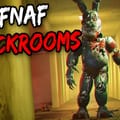
One Night At Freddy's
One Night At Freddy's is Scott Cawthon's survival horror game, widely recognized through the FNAF abbreviation. The game places players in a tense nighttime situation where every camera check, door movement, and strange sound can become a serious threat. One Night At Freddy's does not depend on constant combat or powerful weapons. Instead, the game creates fear through limited information, restricted resources, and enemies that move when the player is not watching them.
FNAF focuses on survival, observation, and quick decision-making. The player must remain alert throughout the night while trying to understand the behavior of several dangerous animatronics. Every moment can increase the pressure because a small mistake may allow an animatronic to reach the security office. This is why the game continues to frighten players even when its basic controls appear simple. The player must experience the night alone to fully understand how its suspense develops.
Game Description
Freddy Fazbear's Pizza is the main setting of One Night At Freddy's. Players take the role of a nighttime security guard working inside a family-friendly restaurant that resembles Chuck E. Cheese's. During the day, the restaurant appears colorful and welcoming, with animatronic characters performing for children and families. After closing time, however, the same characters become unsettling figures that move through the building without warning.
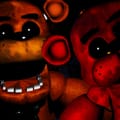
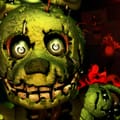
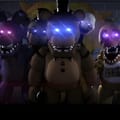
Animatronic characters are central to the game's horror design. Their bright costumes and entertainment-focused appearance create a sharp contrast with the dark restaurant and their threatening nighttime behavior. The player is not given complete control of the building, and the security office offers only limited protection. Try to study the environment carefully, because the restaurant's cameras, hallways, and blind spots all influence how safely the guard can survive.
Freddy Fazbear's Pizza also supports the game's mysterious atmosphere. The restaurant looks like a familiar place for children, but small details suggest that something is wrong beneath its cheerful image. The empty dining areas, silent party rooms, and inactive arcade machines make the building feel abandoned after midnight. These details help One Night At Freddy's turn an ordinary workplace into a frightening survival space.
Gameplay Mechanics
Security cameras are the primary tools players use to track the animatronics. The camera system allows the guard to observe different rooms and follow movement across the restaurant. However, the player cannot watch every area at the same time. A camera may reveal that an animatronic has left its original position, but changing views can also create gaps in awareness. Must use the camera network with care, since constant checking can waste valuable power.
Limited resources make each decision important. The player must manage electricity while operating security doors, lights, and the camera monitor. Keeping a door closed may offer short-term protection, but it also consumes power and can create a larger problem later in the night. Opening the door too early may expose the security office to danger. One Night At Freddy's turns these basic controls into a constant balance between safety and survival.
The security doors provide protection, but they are not a permanent solution. Players must decide when to close them and when to leave them open to preserve electricity. The office lights can help confirm whether an animatronic is nearby, yet using them too often reduces the remaining power supply. This is where the game rewards calm thinking. A player who reacts to every sound may lose resources before the most dangerous hours arrive.
Six AM is the main survival goal. Players must remain alive until the clock reaches 6 AM, which marks the end of the shift. The night becomes more stressful as time passes because animatronics can move closer and available power continues to decrease. Could a careful plan guarantee success? Not always, because enemy movement and sudden attacks can force the player to change strategy. The pressure comes from surviving the entire shift rather than completing a single short task.
Horror Elements
Horror elements define the experience in One Night At Freddy's. Players must act fast when an animatronic approaches, but they must also avoid wasting resources through panic. The game builds suspense by combining silence, darkness, unusual movement, and sudden visual attacks. Jump scares are important, but they become more effective because the player spends much of the night waiting for something to happen.
Jump scares usually arrive after a period of uncertainty. A quiet camera feed may suddenly show an altered scene, while a familiar hallway can become dangerous without clear warning. The player is encouraged to imagine what may be moving outside the office, which makes ordinary sounds feel threatening. This is a key part of the spooky ambiance: the game allows anticipation to create fear before the attack actually occurs.
The spooky ambiance also comes from the game's presentation. The dark security room, low visibility, mechanical sounds, and limited camera images create an uncomfortable sense of isolation. There is no reliable feeling of safety, even when the office appears empty. Players must listen, watch, and interpret small changes in the environment. One Night At Freddy's uses these simple elements to maintain pressure without requiring complex action mechanics.
Storyline Details
The storyline reveals dark facts about Freddy Fazbear's Pizza through indirect clues instead of long explanations. Phone calls provide information about the job, the restaurant, and the strange behavior of the animatronics. Newspaper clippings and background details add more questions about the location's past. The player is expected to connect these pieces and form an understanding of what may have happened.
Phone calls guide the player through the early experience while also creating uncertainty. The messages sound practical at first, but their information can suggest that the restaurant has a troubled history. As the player continues through the nights, ordinary instructions begin to feel more suspicious. Must listen closely because important details may be hidden inside casual comments or warnings.
Newspaper clippings and unspoken lore expand the mystery beyond the immediate survival challenge. The game does not explain every event directly, allowing players to discuss theories and interpret the evidence. The animatronics, restaurant history, and missing details become connected through small discoveries. This storytelling approach gives FNAF a strong replay value, since players may notice new clues after understanding more of the world.
Franchise Impact
The FNAF franchise grew quickly after the popularity of the original game. One Night At Freddy's encouraged several follow-ups that expanded the characters, locations, and hidden story. The series also received spin-offs, merchandise releases, and media adaptations, allowing the property to reach audiences beyond the original survival horror format.
Follow-ups and spin-offs developed the basic ideas introduced in the first game. Later entries explored new restaurants, different security situations, additional animatronics, and deeper pieces of the overall lore. The franchise maintained its focus on tension while adding new mechanics and story elements. Fans could compare each title's survival systems and search for connections between the games.
One Night At Freddy's remains a well-known horror game because of its distinctive gameplay, interesting storyline, and eerie atmosphere. Its camera-based survival system is easy to understand but difficult to master, while its limited resources create meaningful decisions every night. The mysterious restaurant setting gives the game a memorable identity, and the animatronics keep the player under constant pressure. Start playing only if you are prepared to monitor every movement, manage every unit of power, and survive until 6 AM.