








Oblitus Casa
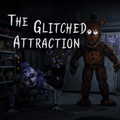
Oblitus Casa is the official final chapter in the Five Nights at Treasure Island series, developed by the Radiance Team. Set one year after the island events, the story follows Jake Smith as he returns to a remote cabin and faces threats from both familiar and unfamiliar sources. Each night combines camera monitoring, audio lures, notepad defense, and tense survival decisions. First-person tunnel sections appear between nights, giving the game a different pace from the cabin sequences.
Oblitus Casa collects years of Treasure Island community history into its closing chapter. The 2.0 update rebuilt the game, addressing older problems and tightening its presentation, systems, and pacing. It feels more complete while keeping the strange identity of the earlier releases. It remains an ambitious point-and-click FNAF fan game, but its expanded scope means players must learn several systems at once.
Gameplay Objective
Gameplay Objective centers on surviving each cabin night while watching cameras, placing audio lures, and choosing the right defensive tool at the right moment. The cabin gives you limited information, so small sounds or changes on a monitor can matter. Between nights, tunnel sections place Jake in direct movement-based encounters. Finishing the main story opens the way to optional challenges, additional lore, and the game’s true endings.
Gameplay Objective mixes familiar camera management with systems that change how you respond to danger. Doors alone do not solve every problem here. You must read enemy behavior, move between tools, and avoid wasting a lure when a threat has not fully committed to an attack. The tunnel stages use another skill set, with movement, timing, and awareness replacing much of the quiet observation found in the cabin.
Controls
Controls rely mainly on the mouse for camera access, audio lures, notepad actions, and other interactions. Tunnel movement uses standard directional inputs, so the change from monitoring to exploration is easy to understand. The interface keeps the two modes separate enough to prevent confusion, although the first few nights still require time to learn where each option sits.
Controls remain consistent as you move between cabin defense and tunnel exploration. Timing matters more than speed in several encounters. Learn how long a lure takes to affect a threat, then remember the camera positions connected to that response. A clear tunnel route also helps. Once the layout becomes familiar, survival depends less on searching and more on making a quick, informed choice.
FNAF Characters
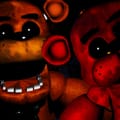
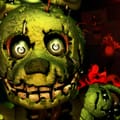
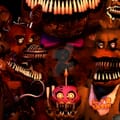
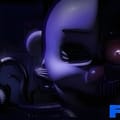
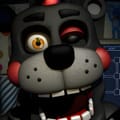
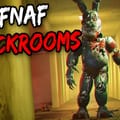
FNAF Characters draw from the photo-negative and distorted Disney-inspired figures associated with the Treasure Island series. Returning entities appear alongside new threats, and they do not all follow the same rules. Some demand close camera attention, while others punish poor timing or careless use of defensive tools. Their designs keep the series’ uneasy, uncanny tone without making every encounter feel identical.
FNAF Characters look sharper in the 2.0 version, with improved models, animations, and visual details. The upgrades make movement easier to read, but the characters still retain their rough, unsettling charm. That balance works well. The final confrontations carry more weight because these figures belong to a story built across several releases, even when the game leaves some details open to interpretation.
Sound and Visuals
Sound Effects carry much of the tension in Oblitus Casa. Audio cues, cabin creaks, distant movement, and the soundtrack give each night its own pressure. Sound can also reveal danger when the camera view offers little useful information, so playing with low volume makes the game harder than it needs to be. This is a case where atmosphere also serves a practical gameplay role.
Visuals received a broad upgrade during the 2.0 rebuild. Cabin rooms, tunnel environments, lighting, and character models now show more detail, while the game keeps the series’ recognizable visual identity. Dark spaces remain difficult to read, which suits the horror design, but important actions are generally clear once you understand the interface. The presentation feels more controlled and better matched to the story’s final, darker tone.
Strategy Tips
Strategy Tips should start with the audio lure and notepad systems. Learn what each tool can handle before attempting the harder nights, and avoid treating them as emergency buttons for every threat. The camera layout deserves equal attention. Spend early attempts checking routes and watching behavior, even if that means losing a night. Familiarity saves more time than rushed reactions later.
In the tunnels, move deliberately and pay attention to pursuit. Listen for changes around Jake, keep track of the available paths, and do not run until you know where the route leads. Each segment is a short, concentrated challenge rather than a quiet break between nights. Optional content offers extra practice and adds story details that explain parts of the wider series.
Oblitus Casa gives the Treasure Island series a thoughtful finale and delivers a substantial point-and-click horror experience. Classic camera play sits beside audio lures, notepad defense, tunnel movement, and optional story content, so the game has more variety than a standard night-watch format. Longtime fans will notice the closing references and returning characters, while newcomers can still follow the main survival story. The latest 2.0 version is available through the official Game Jolt page.