













Next Week at Freddy's
Next Week at Freddy's reimagines the original FNAF experience through Unreal Engine 5, keeping the familiar survival setup while giving the player more systems to manage. The game adds an expanded camera network, a broad control panel filled with levers and switches, and sabotage mechanics that connect one action to another. A camera may reveal a threat, while a switch can change how safely you monitor a room or respond to a failure. These tools give the night shift more texture than a simple left-and-right door routine. The presentation stays close to the tense, enclosed feeling associated with FNAF, but the layout suggests a wider space and a more active relationship with the building.
Next Week at Freddy’s is for players who want a more complex, systems-heavy take on the classic formula. Several problems demand attention at once instead of leaving you to wait for one familiar threat. You have to monitor the cameras, read the control panel, and decide what needs an immediate response. A missed switch can affect another part of the system, making each mistake feel personal. Players who enjoy learning routines and testing limits will likely find that appealing. The room may feel busy at first; understanding it is the first step toward controlling it.
Gameplay Objective centers on surviving the night with the control panel and camera network working as your main tools. The objective sounds familiar, but the route to survival carries more steps. You need to scan different areas, notice changes in the environment, and use the available levers or switches before a small fault becomes a larger threat. Sabotage adds another layer because the player cannot treat every problem as a direct attack. Some danger may come from a damaged or altered system, while classic FNAF threats still demand attention at the same time. This creates a practical rhythm: check the cameras, inspect the controls, react to the immediate danger, then return to the wider network before the next problem appears.
Gameplay Objective gives the player a clear reason to study how the systems connect. A camera becomes useful when you understand what its feed shows, and a switch matters when you know which function it controls. The game calls for quick reactions as well as memory, timing, and judgment during a difficult night. You might make the safe choice and lose time, or take a faster action that leaves another system exposed. These decisions keep the objective from becoming a simple checklist. Survival remains the goal, and the player reaches it by managing pressure instead of following the same sequence every time.
Controls
Controls focus on a large collection of switches, levers, and cameras spread across a dense interface. Traditional FNAF games often make the player work with a compact set of familiar actions. Here, the control panel takes a larger role, so the player must remember where each function sits and what it changes. This design can make the first few attempts feel slower. That is reasonable. A crowded panel only becomes useful after you know which controls deserve attention and which ones can wait.
Controls also turn simple decisions into timing choices. Pulling a lever may solve one concern while leaving another system unchecked. Switching to a camera can provide information, but it also means looking away from the panel for a moment. You must build a workable routine rather than press everything as soon as it becomes available. The interface should reward calm handling, though mistakes will still happen when several alerts arrive together. I like that tension because it gives the player something concrete to improve: not faster clicking, but better control over the order of actions.
FNAF Characters
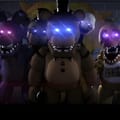
FNAF Characters operate within the expanded systems instead of existing only as separate threats on a camera feed. Their behavior connects with the control panel, the camera network, and the sabotage mechanics, so watching movement alone may not be enough. You need to learn how each character interacts with the surrounding equipment and how those interactions affect your available responses. A familiar character can still create an unfamiliar problem when the system around them works differently.
FNAF Characters reward players who learn the full control set. Recognizing a pattern matters, but so does knowing how to respond. One character may force a camera check, while another makes a particular switch or lever more urgent. The animatronics are meant to push players to use the entire interface rather than rely on a single dependable defense. That gives each encounter more to manage, even when the basic threat is familiar.
Sound And Visuals
The modern engine improves both sound and visuals. Unreal Engine 5 allows for a cleaner presentation and more detailed environmental feedback. Higher-fidelity visuals make camera feeds easier to read, while clearer audio can distinguish ordinary machine noise from a warning that needs attention. In a game about monitoring, these details serve a practical purpose: they help you notice changes without making every alert loud and obvious.
Sound Effects also carry much of the atmosphere during quiet stretches. A dark room, a distant movement, or an altered piece of equipment can create concern before the player sees the source. The visual upgrade should support that tension rather than bury it under decoration. Clearer feedback can make mistakes easier to understand after they happen without making the game easier. That distinction matters. When the presentation shows what changed, you can adjust your strategy instead of blaming a random event.
Strategy Tips
Strategy Tips begin with learning the control panel before attempting higher difficulties. Spend early attempts identifying each switch, lever, and camera function. Note which controls share a relationship and which actions interrupt your normal monitoring routine. This preparation may feel less exciting than chasing a high survival time, but it saves attention later. You cannot make a good decision quickly if you are still searching for the correct control.
Strategy Tips should also include a steady camera routine. Check the network often, but avoid staring at one feed so long that another system goes unattended. When sabotage appears, handle the most immediate problem first and then confirm that the rest of the panel still works as expected. Must you respond to every warning at once? No. Rank the threats, act with purpose, and return to the cameras. Higher difficulties will test that habit, especially when familiar character behavior overlaps with system trouble. A cautious routine will not solve every night, but it gives you information to work with when the plan breaks.
Final Thoughts
Next Week at Freddy's presents a complex reimagining of the FNAF formula, built around a wider camera system, a detailed control panel, and connected sabotage mechanics. The modern engine supports clearer visuals and sound, while the expanded systems ask for more attention than the traditional setup. It will not appeal to everyone; players who prefer a very simple control scheme may find the interface demanding. Players who enjoy learning complicated systems, tracking several threats, and improving through repeated attempts should find more to examine here. The strongest part of the concept lies in that relationship between information and action. You see more, but you also have more to manage.