















FNAF Strike: Gameplay Guide
FNAF Strike is an online action game that brings the familiar characters and eerie atmosphere of the Five Nights at Freddy’s (FNAF) franchise into a mission-based experience. Players face animatronic enemies, use shooting mechanics to defend themselves, and work through a series of levels. This is a game built around survival, quick decisions, and steady progress, with horror elements balanced by direct action gameplay. FNAF Strike could appeal to longtime fans as well as new players looking for an accessible mix of suspense and combat.
Gameplay Objective
FNAF Strike asks players to survive encounters with hostile animatronics while completing different missions. Staying alive is important, but survival is only part of the objective: players must also make progress through the tasks presented in each stage. The animatronics create a constant threat, so players need to pay attention to their surroundings and respond quickly when danger appears.
Each mission gives players a clear reason to keep moving forward. Rather than focusing only on escaping an encounter, players must manage threats while continuing to meet their objectives. Try to balance careful movement with decisive action, since hesitation can make it harder to handle an attack. At the same time, rushing without considering the situation may leave players poorly prepared for the next challenge.
The central goal remains straightforward: complete missions and withstand the animatronic opposition. This simple structure helps make FNAF Strike easy to understand, while the combination of objectives and enemy encounters provides room for strategic play. Players must remain alert throughout each level, especially when several demands compete for their attention.
Shooting Mechanics
FNAF Strike features shooting mechanics that let players defend themselves against attacking animatronics. These mechanics give the game its action focus and provide a direct way to respond when enemies threaten the player. Success depends not only on attacking, but also on recognizing danger and choosing the right moment to act.
Quick reflexes matter during these encounters. Players should watch for animatronic attacks and react before a threat becomes difficult to manage. Shooting can help create an opportunity to continue a mission, but it does not remove the need to think ahead. Players still need to consider how they move, what resources they have available, and what they must do next.
Resource management adds another layer to the combat. Players should avoid treating every situation in the same way and instead consider the demands of the current encounter. Must you act immediately, or is there time to assess the threat? Could a more careful response help preserve resources for a later challenge? Asking these questions can support better decisions across the game.
Levels and Challenges
FNAF Strike uses multiple levels to move players through a changing set of challenges. Each level presents its own enemies and obstacles, so a strategy that works in one stage may not be the best choice in another. As players advance, they must adjust to the demands of each new situation rather than rely on a single response.
This level-based structure gives missions a steady sense of progression. Players can focus on the immediate goal in front of them while preparing for the next encounter. New challenges encourage them to pay attention, manage resources, and refine their approach as they progress. The changing enemies also help keep the experience from feeling like one repeated encounter.
Levels serve as more than a way to divide the game into stages. They shape how players approach survival, combat, and mission completion. Try to learn from each encounter and use that knowledge in the next one. Careful observation and quick reactions can make a meaningful difference when the game introduces a new challenge.
Strategy and Survival
FNAF Strike rewards players who combine planning with fast reflexes. Animatronics create pressure, while missions and resource demands require players to think beyond the immediate threat. A player who focuses only on combat may overlook an objective, while one who concentrates only on the mission may be caught off guard. Maintaining awareness of both priorities is essential.
Strategy does not need to be complicated. Players can begin by tracking nearby threats, identifying the task they need to complete, and considering which resources are available. Then they can respond to animatronic attacks without losing sight of their broader objective. This is a practical approach for balancing action with mission progress.
Quick decisions remain important because encounters can change rapidly. Players must judge when to defend themselves, when to move forward, and how to adapt if a level presents a different kind of challenge. Must every threat be handled the same way? Not necessarily. A flexible approach can help players respond more effectively as they work through FNAF Strike.
FNAF Characters and Atmosphere
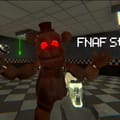
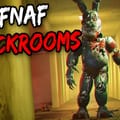
Characters from the FNAF series help connect FNAF Strike to the franchise. Their presence gives fans familiar figures to encounter and supports the game’s identity as part of the FNAF universe. For newcomers, these animatronics provide a distinctive cast of enemies within an action-focused setting.
The game’s graphics use vibrant visuals to capture an atmosphere that is both eerie and playful. That contrast reflects the recognizable tone of the FNAF universe: the presentation can feel unsettling while still drawing on colorful character designs. The result helps distinguish FNAF Strike from a standard shooting game and gives its levels a stronger connection to the series.
Visual style and recognizable characters also contribute to the overall experience. Players are not simply facing generic opponents; they are encountering animatronics associated with a well-known franchise. This combination of familiar designs, suspense, and action may be especially appealing to players who enjoy the FNAF setting.
Multiplayer Options
FNAF Strike includes multiplayer options that let players team up with friends or compete against other players. Playing together can add a cooperative element to the experience, while competition offers a different way to engage with the game. These options give players more than one way to enjoy its action and challenges.
The social features can also change how players approach a session. Teaming up may encourage players to coordinate, share the pressure of encounters, and work toward a common goal. Competing against others can place more emphasis on individual performance. In either case, multiplayer adds variety to the core experience of facing animatronics and completing objectives.
Players who prefer to take on challenges with others can try the available team-based option, while those seeking a more competitive experience can choose to face other players. This flexibility helps FNAF Strike suit different play styles without changing its central focus on action and survival.
Is FNAF Strike Worth Trying?
FNAF Strike combines animatronic enemies, shooting mechanics, mission objectives, and progression through distinct levels. Players must defend themselves, manage resources, and adjust their strategy as new challenges appear. Its vibrant graphics and FNAF characters bring the franchise’s eerie yet playful atmosphere into an action-driven format, while multiplayer options provide additional ways to play.
For FNAF fans, the familiar characters and setting offer a clear reason to give the game a try. Newcomers can also find an approachable starting point in its direct goals: survive, complete missions, and advance through the levels. Start playing with a focus on awareness and resource management, then refine your approach as the challenges change. FNAF Strike offers a lively blend of horror and action for players who want to test their reflexes against animatronic foes.