







Final Nights 4: Fates Entwined
Final Nights 4: Fates Entwined is an Unreal Engine fan game told across two timelines: camera-based survival nights in 1973 and point-and-click investigation in 2017. Both periods reveal parts of the same mystery, and discoveries in one can change how you interpret the other. The game has several endings, some of which depend on the player’s knowledge of the lore as well as their choices near the end.
Final Nights 4 mixes classic survival gameplay with investigation across two time periods. In 1973, you watch cameras, manage danger, and try to survive the night. In 2017, you inspect locations and follow clues. Moving between the two periods gives the story more room than a single-office format, but it also means keeping track of more names, events, and connections.
Gameplay Objective
Survive the nights in 1973 while gathering information that shapes the 2017 investigation and its possible endings. During the survival segments, you need to check cameras, manage your timing, and use resources carefully. In 2017, you examine evidence, talk to characters, and decide which details matter. What you learn and choose in both periods can affect the outcome.
The game rewards close reading and connections between the story’s different eras. A minor clue you find in 1973 may become useful years later during the investigation. Remember unusual objects, names, and brief conversations instead of treating each scene as separate. The game does not provide every answer, and some conclusions only become clear when you compare what each timeline reveals.
Controls
Controls combine traditional camera management with exploration and interaction during investigations. In the 1973 sections, you monitor the camera system and react quickly when danger appears. The 2017 sections move at a slower point-and-click pace, letting you inspect your surroundings, select objects, and guide conversations. The interface makes the difference between the two systems clear.
Controls require you to switch between two gameplay styles. Camera management relies on routine and timing, while investigation calls for patience and observation. You do not need to memorize every control immediately, but learning each timeline’s rhythm will make later scenes less frustrating. Some players may prefer the faster night sections; others may get more from the evidence-focused parts.
FNAF Characters
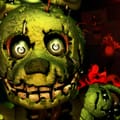
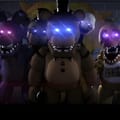
FNAF characters appear in both timelines, with designs that fit their respective eras. In 1973, the familiar figures look less defined and more threatening. In 2017, you have more room to examine their history and role in the case. The contrast shows the distance between the two periods while preserving the tension around the characters.
FNAF characters serve the larger story rather than acting only as roaming threats. Their behavior, presence, and connections to past events link the survival sections to the investigation. A character encountered during a dangerous night may take on a different meaning once you learn more in 2017. This is one of the stronger aspects of the dual-timeline format, though some details may remain unclear until a replay fills in the gaps.
Sound and visuals
Sound effects and music distinguish the two time periods while keeping the atmosphere tense. The 1973 nights use warning sounds, mechanical movement, room noise, and carefully timed audio cues. These details make a quiet camera screen feel unsafe, especially while you wait for something to change. The 2017 investigation uses sound less directly, giving conversations, locations, and discoveries their own tone.
The Unreal Engine presentation gives the game detailed environments, stronger lighting, and higher-fidelity character models than many smaller fan projects. Old locations can look worn and uneasy, while the later timeline has its own visual identity. The environments also clarify when and where events take place. Their extra detail may even lead you to inspect corners for useful clues.
Treat the investigation segments as seriously as the survival nights. Do not rush through 2017 just because the immediate danger has passed. Read the available information, inspect objects, and note names or dates that appear again later. Information from one era is often useful in the other, and overlooking a small clue can make a later ending harder to understand.
Replay the game after you know more. The first run may hide important connections, especially if you are focused on surviving each night. On a later playthrough, revisit earlier scenes with the later clues in mind. Details that once seemed ordinary may take on new meaning. A different ending may hinge on one major decision, but the outcome can also depend on what you discovered and understood along the way.
Final Nights 4: Fates Entwined is a story-driven FNAF fan game with two gameplay styles and several lore-based endings. Its best feature is the connection between the timelines: surviving 1973 adds context to the 2017 investigation, while the investigation can change how earlier events appear. The shift between tense camera sequences and slower clue hunting may make the pacing uneven for some players. Fans of FNAF lore, point-and-click investigations, and replayable endings will have plenty to explore. The game’s availability varies by platform, including Game Jolt.