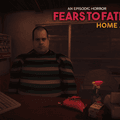





Fears to Fathom - Home Alone
Fears to Fathom - Home Alone is a first-person psychological horror game, and this is one title that feels strikingly real within its opening minutes. Rather than overwhelming players with jump scares, Fears to Fathom - Home Alone opens on an ordinary evening for Miles, a 14-year-old boy left home alone while his parents travel for business. The familiarity of that setup is exactly what makes the fear land harder, because it mirrors a situation that could genuinely happen.
A Realistic, Stifling Atmosphere
The atmosphere is where Fears to Fathom - Home Alone is strongest. This is a large, silent house, and the shadows sitting in every corner keep you faintly on edge. The VHS aesthetic and realistic visuals make each detail of the home look worn and cold. Fears to Fathom - Home Alone is not monster-driven horror; it is the horror of loneliness, of strange messages, of noises from the other side of a door, and of the feeling of being watched.
Pressure-Inducing Gameplay
Fears to Fathom - Home Alone does not lean on combat or resource management. Instead it pushes players to observe, react fast, and make the right call. Tension grows out of small moments, such as standing in a room while odd noises drift down the hallway. Your only answers are to dodge, lock doors, hide, and wait. Could that restraint be the very thing that keeps you tense the whole way through.
Text messages from NPCs raise the tension. Player voice activity makes the experience feel more intimate. An atmospheric environment makes the house naturally scary. Photorealistic graphics enhance the realism of the entire game.
How to Play Fears to Fathom: Home Alone
Game Controls
WASD or arrow keys: move your character. Mouse: interact with objects and surroundings. Keyboard: perform actions as the in-game prompts instruct. Screen awareness: watch messages and danger signs so you can react fast.
In-Game Choices
Choosing the right action at the right moment, such as locking doors, hiding, or following instructions, helps you survive dangerous situations. Choosing a wrong path or reacting too slowly can lead to the character being discovered or slipping into a worse situation. Some sections even branch slightly, so how you handle each small detail can shift how the story unfolds.
Survival Tips Until the End
| Tips | Effects |
|---|---|
| Read messages carefully | Helps you spot signs of danger early |
| Lock doors immediately when necessary | Lowers the risk of a break-in |
| Move slowly and observe | Avoids missing important details |
| Hide when you hear strange noises | Raises your chances of survival under stress |
| Remember the layout of the house | Lets you react faster when something happens |
| Don't be complacent in quiet times | Because quiet times are often the most dangerous |
Conclusion
Fears to Fathom - Home Alone could be your next pick if you enjoy psychological horror, slow pacing paired with high pressure, and a horror story that feels uncomfortably real. Fears to Fathom - Home Alone keeps its storytelling lean and unembellished, and its atmosphere carries the weight. This is a strong opening entry for the whole series, and it earns that place.