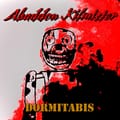


















Dormitabis
Dormitabis is a FNAF fan game built around dense lore, an original cast, and gameplay that demands more than quick reactions. Players must read situations carefully while handling threats, following clues, and adapting to changing routes. The dark, uneasy tone supports a character-driven story rather than treating the cast as background figures. A first playthrough may reveal the setting, but some details only become clear when you revisit scenes and connect information from different parts of the game.
Dormitabis has built a following among players who enjoy tangled stories, strained character relationships, and fan-made takes on the FNAF formula. Familiar names and visuals are only part of its appeal. The game ties its character conflicts to hidden information and survival choices, so some scenes can be hard to understand on a first playthrough. Players who like comparing theories and endings or tracking small clues across a longer story will find more to examine than in a short survival game. Give the story time before judging its pace.
Gameplay Objective
The game combines survival, investigation, and story progression, with routes that can lead to different endings. Players must handle immediate dangers while piecing together how the events connect. A minor choice in one scene can determine what becomes available later, especially after the player has found enough information to recognize another option. Progress therefore depends on more than making it through each section; players also have to understand what the game wants them to notice. A location or character may take on a different meaning once another part of the story is revealed. Even required sections can be demanding because they test both timing and interpretation.
Gameplay Objective
Exploration and careful decisions are central to the game. Routes do not always open in a fixed order; progress can depend on what you do, notice, and choose to say. The multiple endings make replay worthwhile, though some outcomes take work to reach. Keep track of names, events, and odd details instead of treating each scene as a separate task. That may make the first playthrough slower, but it gives later attempts a clearer direction. Survival is part of the investigation, not a separate challenge.
Controls
The game uses point-and-click controls for examining rooms, selecting objects, and choosing where to move. The inputs are familiar, but you may have to switch from observing to defending yourself with little warning. Look around before you act: a useful clue may be next to something that seems ordinary. Menus, prompts, and interactive objects also deliver parts of the story, so skipping a click can leave a scene feeling incomplete. The controls are quick to learn, but sections built around discovery reward careful observation more than speed.
Controls connect directly to the game’s defensive systems. When a threat appears, you may need to identify it, choose a response, and resume investigating after it passes. The tension can build even while the screen stays still. Point-and-click gameplay gives you time to examine details, but a wrong choice can still have consequences. Listen for changes, read prompts carefully, and do not click through dialogue before checking what it reveals. Moving too quickly can cut off useful context; staying calm usually gives you more information.
FNAF Characters
Dormitabis has an original cast with distinct roles, personal conflicts, and relationships that shape how the player understands events. Their histories and connections explain why scenes unfold as they do, rather than serving only as background or obstacles. Some relationships are hard to interpret at first, which makes later discoveries more significant. Listen to how characters describe one another: a change in tone or a small detail can shift your view of someone without any direct explanation.
The FNAF characters give Dormitabis much of its identity within the wider fan-game scene. Familiar FNAF ideas remain, but the game uses them alongside new personalities and conflicts instead of repeating the usual cast setup. That makes the story less predictable, though players who prefer straightforward lore may need to work harder to follow it. Keep notes if the names or events start to blur together. The relationships make more sense as a connected web than as separate character profiles. The cast rewards attention, but the game does not reveal every answer right away.
Sound and visuals
Sound effects and visual design reinforce the game’s darker tone even during quiet moments. A sound cue can make an empty room feel unsafe, or signal that it is time to stop exploring and reassess the situation. In tense sections, listen before clicking ahead.
The visuals work the same way. Rooms, shadows, character designs, and small environmental details provide context. The images may look simpler than those in a major commercial release, but they can still carry important information. A background object or a changed scene may be the game’s way of drawing attention to what has happened.
Sound effects help distinguish ordinary exploration from moments that call for caution. Music, ambient noise, and sudden interruptions can change the pace while the player is trying to make sense of a difficult scene. Visuals and sound leave some events unexplained, which fits the game’s uncertain mood. A sound is not necessarily a direct clue; read it alongside the dialogue and environmental evidence. The game feels rough in places, but those uneven edges suit a fan game that prioritizes atmosphere and lore over polished spectacle.
Careful reading matters. Story details can affect the paths and endings available to you, so skipping dialogue may leave you without information you need later. Keep a brief record of important events, character names, suspicious objects, and choices that lead to unusual results. Save whenever the game allows it, especially before decisions that seem tied to the story. This will not reveal every route immediately, but it can reduce confusion on later playthroughs. Pay attention to the gap between what a character claims and what the game actually shows; it may matter.
Check rooms more than once, and resist clicking through familiar scenes too quickly. A later event may change what you can find, or a new detail may only make sense after another conversation. When you face a threat, learn its pattern before reacting. Watch the interface, listen for changes in the audio, and use your defensive option deliberately. If an ending feels incomplete, revisit earlier choices instead of assuming the final scene has the whole answer. A missed clue may explain the result.
Dormitabis is built around dense lore, original FNAF characters, complicated relationships, and multiple endings shaped by exploration and choice. Its point-and-click controls make the game easy to approach, but the story demands patience and close attention. Dark sound design and visuals create pressure without overshadowing the narrative.
Some sections are difficult to follow, and several mysteries take time to unravel. That uncertainty makes a second playthrough worthwhile, especially if you enjoy tracking clues and comparing outcomes. Anyone looking for a short, straightforward survival game may find the writing demanding. Dormitabis is available on Game Jolt.