











Animatronic Memories
Animatronic Memories is set in an alternate 1989 shaped by Chuck E. Cheese-style animatronics, worn restaurant interiors, and a fuse-based power system. Each night requires you to manage limited electricity, watch the cameras, and respond to threats that may appear without warning. Its realistic character designs give the setting a grimy, familiar feel, while the layered mechanics make the shifts more involved than simply checking cameras. The game has several endings, and your choices during each night affect what you discover and how the story ends.
Animatronic Memories often ranks high on community tier lists for its visual design and atmosphere. Its reputation rests on details: dim rooms, uneasy silhouettes, mechanical faces, and sound cues that keep you guessing. Rather than relying on a single frightening image, the game builds pressure through subtle environmental changes and the possibility that a familiar mascot may turn threatening as the lights fail.
The game is about surviving each night while managing the fuse and power systems as several threats close in. Electricity affects more than visibility, so careless choices can leave you with fewer options when an animatronic moves or a room becomes hard to monitor. You need to track patterns, remember earlier events, and decide when spending a resource is worth the risk. Multiple endings reflect different approaches, from cautious play to risky investigation and piecing together information hidden across the nights.
Gameplay Objective also adds an investigative thread. Survival is the immediate task, but curiosity can alter what happens. Some details only make sense after a later event, while other discoveries require actions that initially seem unsafe. It is not a complex detective game, and it leaves some answers unstated. The pressure to survive, combined with those unanswered questions, gives each night a clearer shape than a string of unrelated attacks.
Controls
The controls use a point-and-click layout with added inputs for managing power and fuses. Players familiar with FNAF fan games should recognize the basic interface, but the resource systems give each action more weight. In a short span, you may need to check a location, respond to a threat, and monitor your remaining power. Hesitation can cost more than missing a visual cue.
Controls keep management tasks on the main screen instead of putting them in a separate menu. They show what you can check and which systems need attention, though the pressure can make even simple decisions feel uneasy. Learn the layout before the later nights get harder. Once the controls become familiar, you can focus more on sound, timing, and animatronic movement.
FNAF Characters
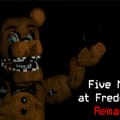
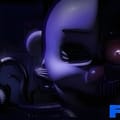
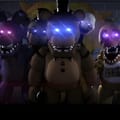
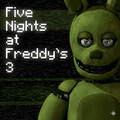
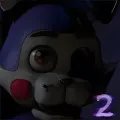
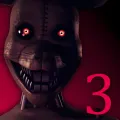
FNAF characters have highly detailed designs that lean into the uncanny valley. Their proportions, worn surfaces, fixed expressions, and exposed mechanical features make them look like restaurant mascots with something visibly wrong about them. They do not need constant movement to create tension. A face glimpsed in poor lighting can stay with you after the camera moves on, fitting the games’ slow, watchful style.
FNAF characters carry much of the presentation’s emotional weight. They look worn and used rather than polished like theme-park mascots, which gives the alternate 1989 setting a distinct texture. Some encounters are frightening because the characters move. Others rely on making you wait and decide whether a shape has changed. Small details matter, so rushing through the cameras can make the game harder than necessary.
Sound and visuals
Sound effects and visuals are among the game’s strongest combinations. Mechanical noise, room ambience, interruptions, and sudden volume changes can make an ordinary check feel unsafe. The audio does not always reveal exactly what happened, so listening remains useful without turning every sound into a clear instruction. I found that uncertainty more effective than a constant stream of loud scares.
Sound effects make the building feel occupied even when little is visible. Dark rooms, faded surfaces, and restrained lighting limit the view, while the audio fills in what lies outside it. The result is sustained tension without forcing every moment into a jumpscare. The presentation can feel rough, but that unevenness suits the abandoned, improvised setting better than a polished finish would.
Strategy tips
Learn the fuse system before trying to rush through the first nights. Watch how each fuse changes the available power, and note which actions drain resources quickly. Remember movement patterns, unusual sounds, and when a room becomes unsafe. One careless habit can carry across several attempts, so changing your routine matters more than reacting faster each time.
Treat the game as a survival experience with a light investigation layer. Check details when the risk is reasonable, but do not spend every resource chasing a clue during an active threat. A safer route may reveal the same information later, and waiting often leaves you more room to act. If an ending seems incomplete, replay one night with a single deliberate change instead of altering everything at once.
Animatronic Memories is for players who value atmosphere, detailed visuals, and mechanics that demand more than constant camera switching. The fuse system can be demanding, some story points remain open to interpretation, and the slow pacing may frustrate anyone looking for nonstop action. Its quiet moments are where the fan game works best, giving doubt time to set in.
The official Game Jolt release of Animatronic Memories includes its intended presentation and multiple endings. It plays as a survival game with investigation built into each night. Check the fuses, listen before you act, and pay attention to the animatronic designs, which carry much of the game’s unease. It stands out among FNAF fan games for its atmosphere and replay value.