












Granny’s Mansion
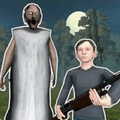
Granny’s Mansion is a first-person horror adventure about being trapped, searching for a way out, and escaping quickly. The protagonist wakes in an unfamiliar building with no idea how he got there or who built it. He must find a way out, but the mansion conceals useful information in its rooms, corridors, and objects. Search the surroundings for clues and get past the obstacles blocking your path. A small detail might reveal a route, explain a locked door, or show you what to do next.
The unfamiliar building gives the game its uneasy mood. It doesn’t need a crowded map or a large cast to create pressure. A narrow room, a locked door, or a dark passage can hold your attention when you know something is moving nearby. Granny controls the atmosphere. Her presence makes ordinary exploration dangerous. You may want to search every corner, but staying in one place too long can leave you exposed. The first-person view strengthens that tension: you can see only what is in front of you, so every turn may conceal information or danger.
Granny’s Mansion keeps you close to the action. You never watch the protagonist from a safe distance or get a wide view of the building. Limited vision makes sound, timing, and careful movement essential. The small building feels larger because the rooms connect in uncertain ways, and familiar places can turn threatening once you leave them. Remember where you have been, which areas still need attention, and what changed after you passed a subject. This can save time when the game sends you back through a place that once seemed harmless.
Progress depends on the hints. Some are easy to spot; others blend into the mansion and take a slower search. Look at surfaces, corners, doors, and objects that seem out of place instead of rushing from room to room. A detail may only become clear after you find another clue, so remember what you see and connect the pieces. The mansion’s ordinary details can point you toward the next place to look.
The subjects add another problem. The original description treats them as obstacles the player must get past while trying to escape. They may block your route, test your attention, or force you to change the order of your actions. A direct approach can waste time when the building is already dangerous. Plan your movements, pause before entering unfamiliar areas, and decide whether to follow a clue immediately or remember it for later. You do not have to solve every problem as soon as you find it. Sometimes it is safer to retreat, keep what you have learned, and return when the path is clear.
The sinister granny drives the adventure’s tension. Because she can move through the building, the threat never stays confined to the walls. The player cannot search freely; even a quiet room raises a practical question: how long can you stay before you have to move? The game does not need constant attacks to stay tense. Waiting, listening, and deciding whether to cross a room are enough to create uncertainty. I like this kind of horror because it makes the player take part in the fear instead of merely watching scripted scenes.
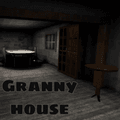
Light shapes how the building feels. The small space is dim, and some areas are hard to read. Darkness can conceal a doorway, obscure an object, or make a familiar route seem strange. Brighter areas offer direction, but they do not reveal everything; when a clue appears to be missing, the player has to search the darker corners. That limited visibility makes the mansion feel more confined because its full shape is never visible at once.
The setting remains small. A single building can still force several decisions: where to search, when to turn back, how to avoid Granny, and which subjects to pass first. The same corridor feels different when your goal changes. Early on, you might be looking for an escape. Later, you might return to check a clue or cross without being noticed. Familiar spaces become tense for that reason. The map can stay the same while the situation grows harder.
Granny’s Mansion is for players who like horror built around exploration and uncertainty. It demands patience, though quick reactions matter when the granny gets close. You examine the mansion, follow clues, investigate objects, and search for a way out. The story stays focused: the protagonist is trapped, the building is hard to understand, and escape depends on piecing together the right information. Its small scale keeps the pressure personal. Every room matters, every delay has a cost, and the building’s only light never makes the mansion feel safe.